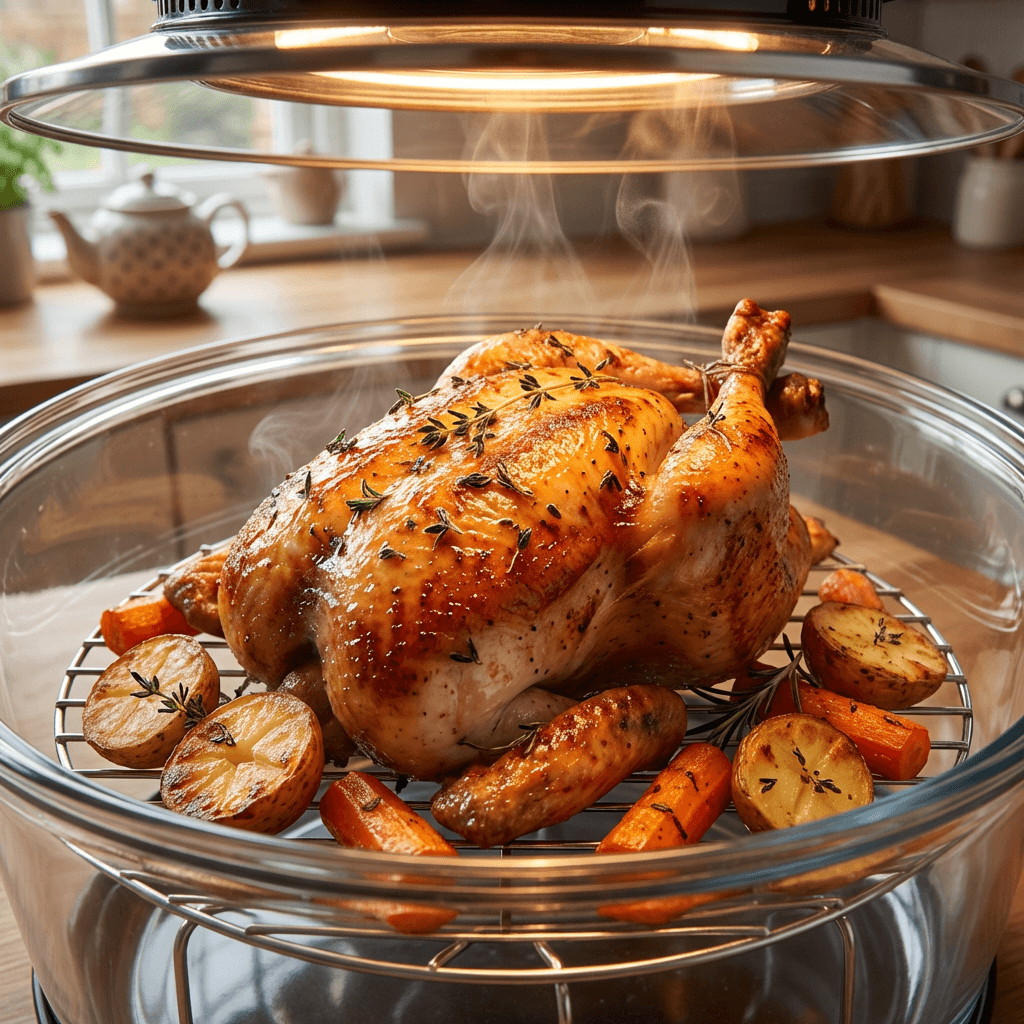

There comes a time when the kitchen stops being just a place where we cook.
After 50, the kitchen can become something much more important. It can be the place where we regain energy, create better routines, save money, reduce waste, and feel more in control of daily life.
But here is the problem: many people think that improving their eating habits means starting a strict diet, throwing away everything in the cupboards, buying expensive “health foods,” or following complicated meal plans that do not fit real life.
That is not what this 21-day kitchen reset is about.
This is not a diet challenge. It is not a punishment. It is not about perfection.
It is a simple, gentle plan to help you make your kitchen easier to use, your meals calmer to prepare, and your daily food choices a little more supportive of your health after 50.
The goal is not to change everything overnight.
The goal is to make your kitchen work for the person you are now.
Maybe your energy is different than it used to be. Maybe you live alone or cook for two instead of a whole family. Maybe your budget matters more. Maybe you want simpler meals, less waste, fewer decisions, and food that leaves you feeling satisfied instead of heavy or tired.
This 21-day kitchen reset gives you one small focus each day.
No pressure. No guilt. No complicated rules.
Just one small step at a time.
Why a Kitchen Reset Matters After 50
After 50, many people begin to notice that old habits do not always serve them in the same way.
Meals that once felt normal may now feel too heavy. Shopping without a plan may lead to waste. A cluttered kitchen may make cooking feel harder than it needs to be. Snacks may slowly replace proper meals. Or the fridge may be full, but somehow there is still “nothing to eat.”
A kitchen reset helps you pause and ask a simple question:
Is my kitchen helping me live the way I want to live now?
For people over 50, this matters because food is connected to more than hunger. It affects energy, digestion, mood, sleep, strength, and independence. It also affects the household budget.
But the answer is not always to buy more.
Often, the answer is to simplify.
A better kitchen after 50 is not necessarily a perfect kitchen. It is a kitchen where useful things are easy to reach, basic ingredients are available, simple meals are possible, and you do not feel overwhelmed every time you open the fridge.
That is what this reset is designed to create.
Before You Start: The Gentle Rule
Before day one, remember this rule:
Do not try to fix your whole kitchen in one day.
That is how people get tired, frustrated, and give up.
Instead, give yourself permission to do this slowly. Some days may take 10 minutes. Some may take 30 minutes. If you miss a day, simply continue the next day. You are not failing. You are building a better routine in real life.
You may want to keep a notebook nearby. Use it to write down simple observations:
What foods do I actually eat?
What do I buy but never use?
Which meals make me feel good?
Which parts of the kitchen annoy me?
What would make cooking easier?
This is not about judgment. It is about noticing.
Week 1: Clear the Space and Reduce the Stress
The first week is about making your kitchen calmer and easier to use. Before changing what you eat, it helps to change the environment around you.
A cluttered kitchen can make even simple cooking feel tiring. A calmer kitchen makes better choices easier.
Day 1: Look at Your Kitchen With Fresh Eyes
Today, do not clean everything. Just look.
Walk into your kitchen and notice what feels difficult.
Is the counter always full? Are the cupboards crowded? Are healthy ingredients hidden at the back? Are snacks easier to reach than real food? Are there appliances you never use taking up space?
Write down three things that bother you most.
For example:
The fridge is too crowded.
I cannot find spices easily.
The counter is always full of random things.
That is enough for day one.
The purpose is awareness.
Day 2: Clear One Small Surface
Choose one small area: part of the counter, one shelf, or the kitchen table.
Clear it completely, wipe it, and put back only what you truly use.
This small clear space becomes your “reset zone.” It is where you can prepare tea, chop vegetables, make breakfast, or plan meals.
After 50, energy matters. If cooking begins with clearing a pile of clutter, many people simply avoid cooking. A clear surface lowers the effort before you even start.
Day 3: Check Your Fridge
Today, open the fridge and remove anything expired, spoiled, forgotten, or clearly never going to be eaten.
Then group what remains.
Put similar items together: dairy, vegetables, leftovers, jars, fruit, drinks.
The goal is not a perfect fridge. The goal is to see what you have.
A fridge that is easier to see is a fridge that saves money.
You may discover food you forgot about. You may also notice patterns. Maybe you buy too much salad. Maybe leftovers get pushed to the back. Maybe the healthiest items are hidden while quick snacks are easy to grab.
This is useful information.
Day 4: Create a “Use First” Area
Choose one shelf or container in the fridge and make it your “use first” area.
This is where you place food that should be eaten soon: leftovers, opened yogurt, cooked vegetables, half an onion, fruit that is getting soft, or anything close to its date.
You do not need a fancy label. Just decide that this area means: eat this before buying more.
This one habit can reduce waste and make meal decisions easier.
When you are hungry, you do not need to search the whole fridge. You start with the “use first” area.
Day 5: Check Your Cupboards
Today, choose one cupboard or pantry shelf.
Take everything out. Wipe the shelf. Check dates. Put similar items together.
Look for basics such as oats, rice, pasta, lentils, beans, canned tomatoes, tuna, herbs, spices, nuts, seeds, or flour.
Then ask: what do I actually cook with?
Many kitchens are full of ingredients bought for imaginary meals. The reset is about real meals, not perfect meals.
Keep what supports your real life. Move rarely used items to the back. Put everyday basics where you can reach them easily.
Day 6: Make a Simple Staples List
Today, write a list of your useful kitchen staples.
These are the ingredients that help you make quick, simple meals without stress.
Your list might include:
eggs
plain yogurt
oats
wholegrain bread
canned beans
lentils
rice
potatoes
frozen vegetables
olive oil
herbs and spices
cheese
fruit
nuts or seeds
canned fish
simple soup ingredients
This list will be personal. It should match your taste, budget, and cooking style.
The point is not to copy someone else’s perfect pantry. The point is to know what helps you eat well without overthinking.
Day 7: Plan Three Easy Meals
At the end of week one, plan only three easy meals.
Not twenty-one meals. Not a full diet plan.
Just three.
Choose meals you can realistically prepare even when you are tired.
For example:
Vegetable soup with bread
Omelette with salad or cooked vegetables
Baked potato with cottage cheese or beans
Rice with vegetables and eggs
Porridge with fruit and seeds
Simple pasta with tomato sauce and lentils
Write them down.
These are your rescue meals. When life gets busy, you do not need to start from zero.
Week 2: Build Better Food Habits Without a Strict Diet
Week two is about food choices, but in a gentle way.
You are not cutting everything out. You are building meals that are easier on your body and more supportive of daily energy.
After 50, many people do better with meals that contain enough protein, fiber, healthy fats, and real ingredients. But this does not need to be complicated.
Day 8: Improve Breakfast or Your First Meal
Today, look at your first meal of the day.
It does not matter whether you call it breakfast, brunch, or your first proper meal. Ask one question:
Does this meal give me steady energy?
A very sweet or very light meal may leave you hungry soon after. A better first meal often includes protein and fiber.
Simple ideas include:
eggs with wholegrain toast
plain yogurt with oats and fruit
porridge with seeds
cottage cheese with vegetables
beans on toast
a smoothie with yogurt and oats
leftover soup
You do not need to change everything. Just make your first meal a little more solid.
Day 9: Add One Portion of Vegetables
Today, do not focus on removing foods. Focus on adding.
Add one portion of vegetables to a meal.
This could be fresh, cooked, frozen, roasted, steamed, or added to soup.
Many people over 50 find it easier to improve meals by adding helpful foods instead of starting with restrictions. A bowl of soup, a handful of spinach, grated carrot, peas, tomatoes, mushrooms, cabbage, or frozen mixed vegetables can make a simple meal more nourishing.
Adding is often easier than forbidding.
Day 10: Check Your Protein
Protein becomes especially important as we get older because it helps support muscle maintenance, strength, and satiety.
Today, look at your meals and ask:
Where is the protein?
This does not mean you must eat meat. Protein can come from eggs, yogurt, cottage cheese, cheese, fish, beans, lentils, peas, nuts, seeds, tofu if you enjoy it, or other foods that fit your diet.
A simple meal after 50 often feels more satisfying when it includes a protein source.
For example:
Soup with lentils
Potatoes with cottage cheese
Oats with yogurt
Eggs with vegetables
Beans with rice
Salad with tuna or boiled eggs
You do not need to count every gram. Just begin noticing.
Day 11: Make Water Easier
Many people know they should drink more water, but forget during the day.
Today, make water visible.
Put a bottle, jug, or glass where you spend time. You can add lemon, cucumber, mint, or a small splash of juice if it helps you drink more.
This is a kitchen reset habit because your environment shapes your choices.
If water is hidden, you forget it. If it is visible, you are more likely to drink it.
Day 12: Create a Better Snack Option
Snacking is not the enemy. Random snacking is the problem.
Today, prepare one better snack option.
It might be:
plain yogurt
fruit
a boiled egg
a small handful of nuts
vegetable sticks with dip
wholegrain toast
cottage cheese
homemade soup in a mug
cheese with tomato
oatcakes or crackers with something filling
The goal is to avoid reaching for whatever is closest when you are tired.
A good snack should help you feel steady, not send you into another snack search 30 minutes later.
Day 13: Reduce One “Automatic” Habit
Today, choose one habit you do without thinking.
Maybe it is biscuits with every cup of tea. Maybe it is buying extra bread “just in case.” Maybe it is eating from the packet. Maybe it is adding sugar automatically. Maybe it is ordering takeaway because there is no simple backup meal.
Do not try to eliminate everything.
Just interrupt one automatic habit.
For example:
Put biscuits on a small plate instead of eating from the packet.
Have tea first, then decide if you still want something sweet.
Keep one simple meal ready before ordering takeaway.
Buy one loaf instead of two.
Move sweets to a less visible place.
This is not about punishment. It is about becoming conscious again.
Day 14: Make a Simple Weekly Food Rhythm
At the end of week two, create a loose weekly rhythm.
This is not a strict meal plan. It is a pattern that makes decisions easier.
For example:
Monday: soup
Tuesday: eggs
Wednesday: rice or potatoes
Thursday: leftovers
Friday: simple pasta
Saturday: something fresh
Sunday: batch cooking or freezer meal
A rhythm helps because decision fatigue is real. When every meal is a new decision, cooking becomes tiring.
A simple rhythm gives structure without pressure.
Week 3: Make the Kitchen Support Your Future
The final week is about making your new habits easier to maintain.
A reset is only useful if it works after the 21 days are over. This week helps you create a kitchen that supports your future self.
Day 15: Prepare One Basic Ingredient Ahead
Today, prepare one ingredient that can help with several meals.
This could be boiled eggs, cooked rice, roasted vegetables, cooked lentils, washed salad leaves, chopped onions, baked potatoes, or a pot of soup.
The idea is simple: future you will be tired, hungry, or busy. Help that person.
Prepared ingredients make home cooking much easier.
A boiled egg can become breakfast, a snack, or part of a salad. Cooked rice can become a quick meal with vegetables. Roasted vegetables can go into soup, pasta, or wraps.
Small preparation creates flexibility.
Day 16: Create a Leftover Plan
Leftovers are not a problem. Unplanned leftovers are the problem.
Today, decide how you will use leftovers.
You might choose one of these rules:
Leftovers become lunch the next day.
Leftovers go into soup.
Leftovers are frozen in single portions.
Leftovers go into an omelette, rice dish, or baked potato topping.
Write down your own leftover rule.
This reduces waste and makes cooking feel more rewarding. When you cook once and eat twice, you save time, money, and energy.
Day 17: Make Your Kitchen Safer and Easier
After 50, comfort and safety matter.
Today, look at your kitchen from a practical point of view.
Are heavy pans stored too high? Are everyday items hard to reach? Are sharp knives loose in a drawer? Is the floor cluttered? Do you have enough light? Are you bending too often for things you use daily?
Move the most-used items to the easiest places.
This might include your favourite pan, mug, chopping board, tea, spices, plates, or breakfast ingredients.
A good kitchen is not one that looks perfect in a magazine. It is one that feels easy for your body to use.
Day 18: Build a “No Energy” Meal List
Everyone has days when cooking feels like too much.
That is normal.
Today, make a list of five meals you can prepare with very little energy.
Examples:
scrambled eggs on toast
soup from the freezer
baked potato with beans
yogurt with oats and fruit
cheese and tomato sandwich
rice with frozen vegetables
cottage cheese with bread
simple omelette
lentil soup
beans on toast
These meals are not failures. They are safety nets.
A good kitchen reset includes real-life days, not just motivated days.
Day 19: Review Your Shopping Habits
Today, look at how you shop.
Do you buy too much fresh food at once? Do you shop hungry? Do you buy special ingredients but forget basics? Do you repeat the same expensive mistakes?
Create a simple shopping rule.
For example:
Check the fridge before shopping.
Buy vegetables I know how to use.
Always have two emergency meals at home.
Do not buy three new ingredients unless I have a plan for them.
Use the “use first” shelf before buying more.
Shopping better is not about being strict. It is about being honest.
The best shopping list is the one that matches your real kitchen and your real life.
Day 20: Choose Your Signature Simple Meals
By now, you may have noticed which meals actually work for you.
Today, choose five signature simple meals.
These are meals you like, understand, and can prepare without much stress.
They may not impress anyone on social media. That does not matter.
Your signature meals are the backbone of your kitchen.
Examples:
vegetable soup
omelette with herbs
porridge with yogurt
rice with beans and vegetables
pasta with tomato and lentils
baked potatoes with cottage cheese
stir-fried vegetables with eggs
homemade bread with a protein-rich topping
When you know your five reliable meals, you are never completely lost.
Day 21: Write Your New Kitchen Rules
On the final day, write your own simple kitchen rules.
Keep them positive and realistic.
For example:
I keep one clear space for preparing food.
I check the “use first” area before shopping.
I keep simple protein options at home.
I do not need perfect meals to eat better.
I use leftovers on purpose.
I keep emergency meals for tired days.
I choose food that helps me feel steady.
These rules are not restrictions. They are reminders.
They help you continue after the reset ends.
What You May Notice After 21 Days
After 21 days, your kitchen may not look completely transformed. That is fine.
This is not a television makeover.
But you may notice something more useful.
You may feel calmer when opening the fridge. You may waste less food. You may have a few meals you can rely on. You may feel more confident about shopping. You may make better choices without needing willpower all the time.
You may also feel proud.
That matters.
Because many people over 50 do not need another harsh plan. They need a practical way to begin again.
A kitchen reset is powerful because it touches daily life. You see it every morning. You use it every day. Small improvements add up quickly.
One clear shelf can lead to one better meal.
One better meal can lead to more energy.
More energy can lead to more confidence.
More confidence can lead to bigger changes.
That is how real change often begins.
Not with a dramatic decision.
With a cup of tea, a clear counter, a simple list, and one meal that helps you feel like yourself again.
A Simple 21-Day Kitchen Reset Checklist
If you want a quick version, here is the full plan:
Day 1: Look at your kitchen with fresh eyes.
Day 2: Clear one small surface.
Day 3: Check your fridge.
Day 4: Create a “use first” area.
Day 5: Check one cupboard.
Day 6: Make a staples list.
Day 7: Plan three easy meals.
Day 8: Improve your first meal.
Day 9: Add one portion of vegetables.
Day 10: Check your protein.
Day 11: Make water easier.
Day 12: Create a better snack option.
Day 13: Reduce one automatic habit.
Day 14: Make a weekly food rhythm.
Day 15: Prepare one basic ingredient ahead.
Day 16: Create a leftover plan.
Day 17: Make your kitchen safer and easier.
Day 18: Build a “no energy” meal list.
Day 19: Review your shopping habits.
Day 20: Choose your signature simple meals.
Day 21: Write your new kitchen rules.
Final Thoughts
Your kitchen does not need to be perfect to support a better life after 50.
It only needs to become a little easier, a little calmer, and a little more honest about what you really need now.
You do not have to follow strict diets. You do not have to cook complicated meals. You do not have to change everything in one weekend.
Start with one surface.
Then one shelf.
Then one meal.
Then one better habit.
That is enough.
A simple kitchen reset is not about becoming someone else.
It is about making daily life easier for the person you are today — and giving your future self a little more care, one small step at a time.
Want to make everyday cooking easier after 50? Join the Fifty or More VIP list and get early access to the Wellness Kitchen Collection — special £97 pricing for the first 50 VIP members.